



In this article
Standing in front of the mirror, electric shaver in hand, you might think the choice between a foil and a rotary is just about which one “looks cooler.” Three spinning circles? Or that sleek straight foil bar? But this is a face-on-the-line decision.
Most comparisons stop at technical specs: blade speed, head movement, battery life. Helpful? Maybe. But your beard doesn’t care about marketing bullet points. It cares about real-life situations.
Are you shaving half-awake at 7 a.m. before work? Cleaning up three days of stubborn stubble? Trying not to anger sensitive skin that already hates Mondays?
In this guide, we’re not just comparing functions. We’re matching shavers to scenarios. By the end, you’ll know which one actually survives your daily routine.
If you want the closest shave
When “close” is your top priority, the difference between foil and rotary becomes much clearer.
A close shave is smooth skin and that freshly shaved feeling that lasts longer into the day.
Let’s look at how each performs when closeness matters most.
Foil shaver: Focus on precision

Foil shavers are known for delivering a more precise shave. The thin metal foil sits very close to the skin, while the blades move rapidly back and forth underneath. This straight-line cutting motion makes foil shavers effective for clean edges.
If you shave daily and prefer that almost razor-like feel, a foil shaver usually performs better in this area.
Rotary shaver: Flexible
Rotary shavers can still provide a close shave, but they prioritize flexibility over absolute precision. The circular heads adjust well to facial contours around the chin and neck.
However, because they cut in a circular motion, they may not feel quite as ultra-close as foil shavers for short stubble. If maximum smoothness is your goal, foil has the edge.
If you have sensitive skin

When it comes to sensitive skin, the truth is simple: irritation is not determined by whether you choose a foil or a rotary shaver.
What really matters is the material and build quality of the shaving head. Many cases of redness or razor bumps are caused by low-quality, high nickel content that can trigger skin reactions.
If you have sensitive skin, look for shavers made with skin-friendly materials, low-nickel components like blades.

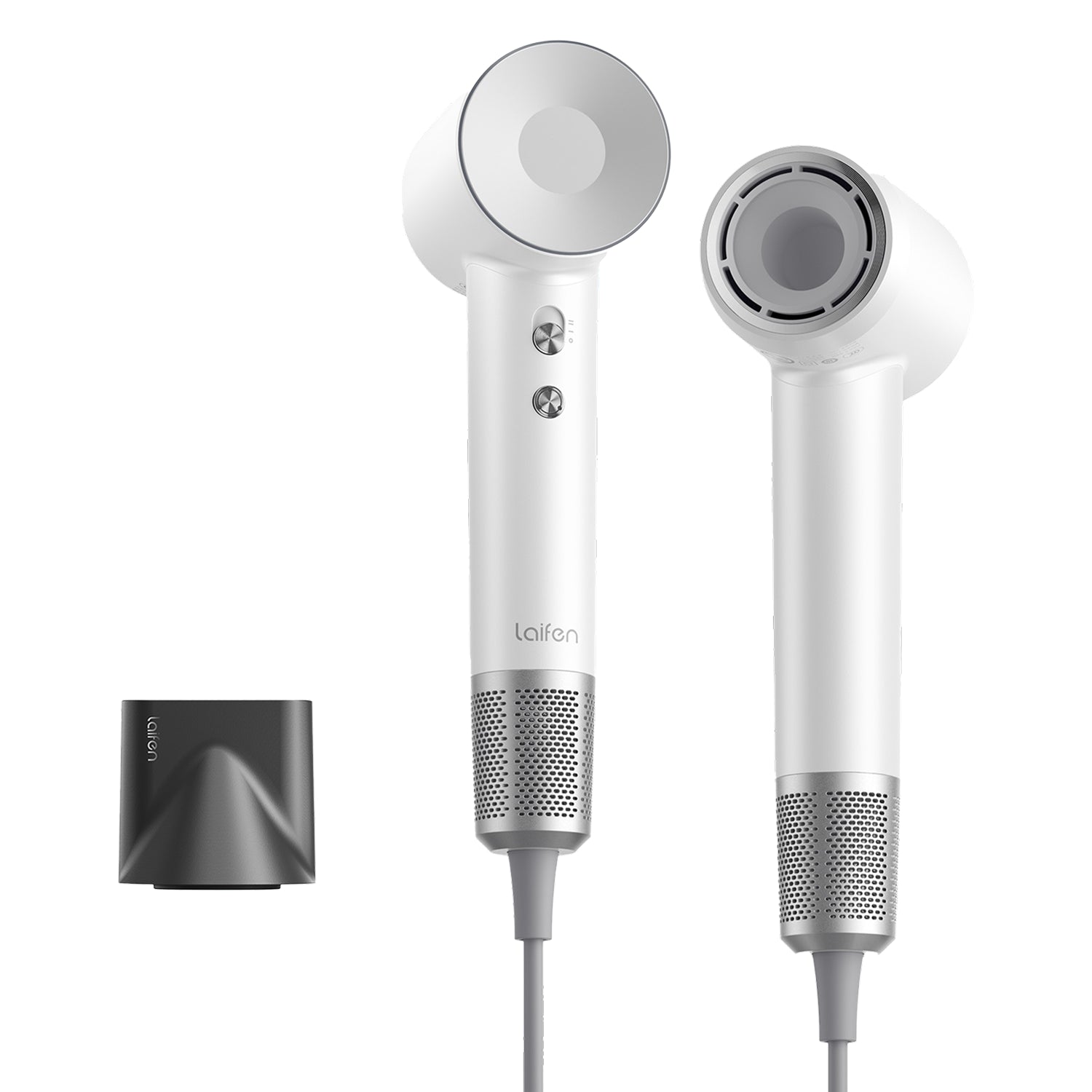
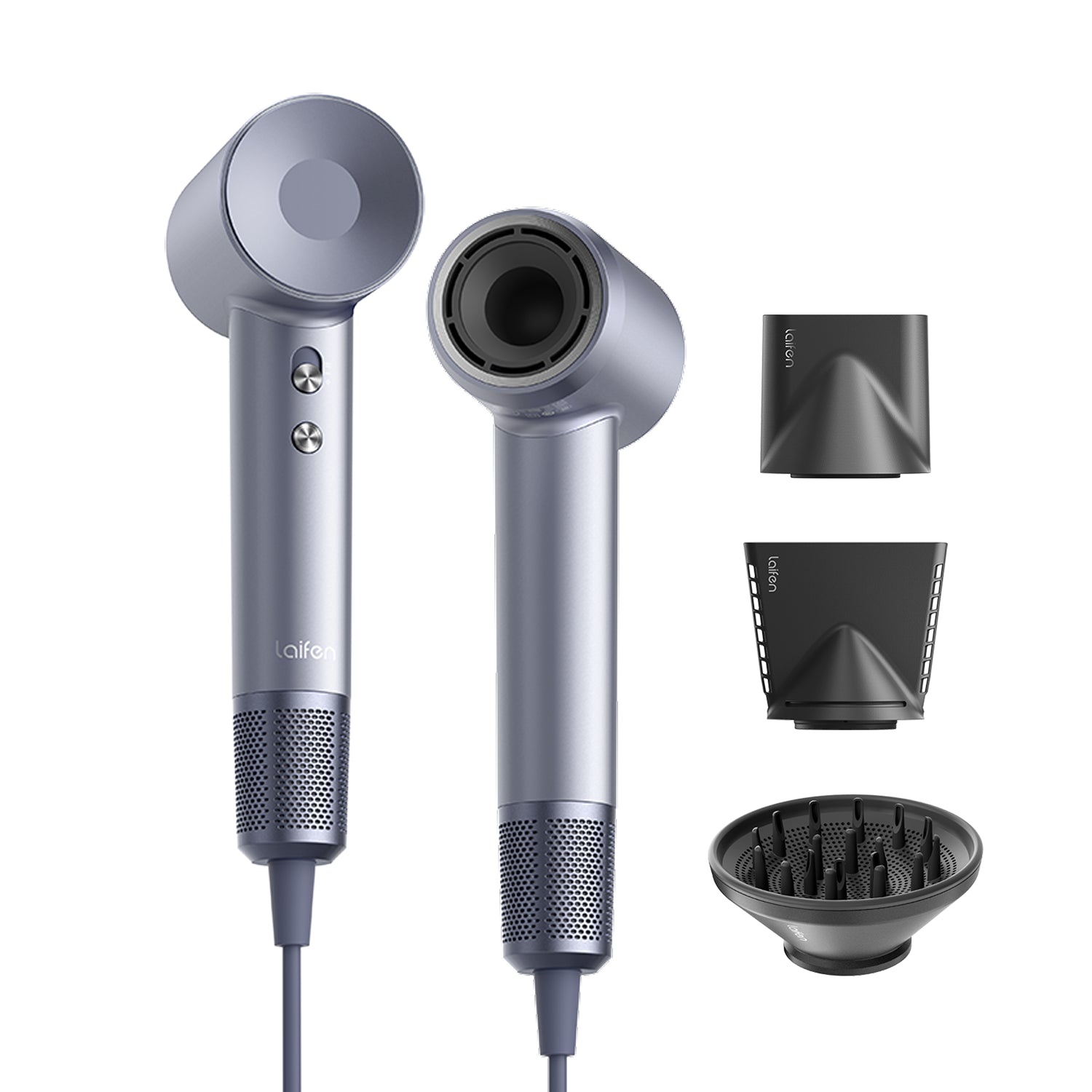
Luckily, both the Laifen P3 Pro and Laifen T1 Pro come with skin-friendly shaver heads that focus on reducing friction and minimizing irritation.

Choosing a high-quality product makes a bigger difference than simply picking foil or rotary.
If your beard grows in different directions
Beard growth isn’t always neat and predictable. For many men, hairs grow in multiple directions — up, down, sideways, and even in little whorls that seem to defy logic
When hair grows in different directions, you need a shaver that can follow those unpredictable patterns without tugging, pulling, or leaving patches.
Foil shavers, with their straight-line cutting motion, excel on short stubble and flat surfaces, but they can struggle where hair angles change abruptly around the chin and neck.

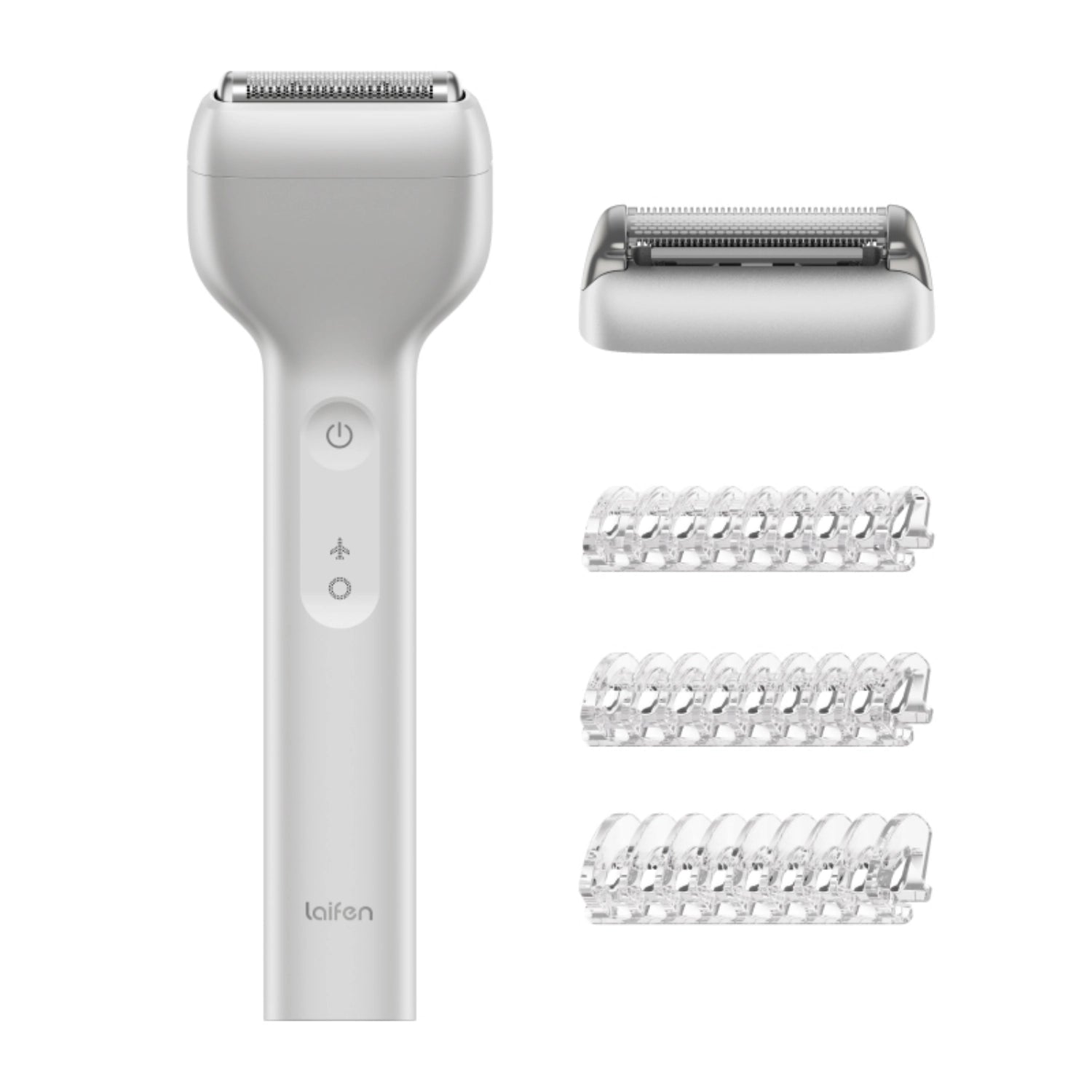
Enter the Laifen T1 Pro electric shaver. It includes a trimmer head and three trimmer guards. These tools let you manage directional growth before shaving.
By using the trimmer to tame uneven growth and shape your beard, you set up the foil head for a smoother effect. The guards help you make precise grooming easier.
If you shave every day
If shaving is part of your daily routine, the choice between rotary and foil becomes more about comfort and efficiency than raw cutting power.
When you shave every day, your facial hair is short and easier to manage. In this case, precision and skin comfort often matter more than the ability to tackle heavy growth.
Foil shavers are often favored for daily use because they work best on short, straight stubble. Their back-and-forth cutting motion allows for quick strokes, which can be ideal when you’re shaving every morning before work.
Rotary shavers, on the other hand, offer flexibility and smooth movement across facial contours. If your beard grows in multiple directions, a rotary may require fewer directional adjustments.
If you shave every few days
If you shave every few days instead of daily, your beard has more time to grow thicker and longer. This changes how a shaver performs. The main challenge is cutting through denser stubble without tugging or requiring multiple passes.
Rotary shavers often handle longer, uneven growth more comfortably. Their circular blades are designed to move in multiple directions, which can help capture hairs that lie flat or grow at different angles.
When shaving three to five days of growth, this flexibility can make the process feel smoother and less rigid.
Foil shavers can still deliver a close result, but they may require trimming down longer hair first or using more deliberate strokes. Because foil systems are optimized for shorter stubble, very long or thick growth may feel slightly less efficient.
A simple rule
After all the comparisons, here’s the simplest way to decide: match the shaver to your routine, not the hype. If you prefer straight strokes and want clean lines.
A foil shaver is usually the safer choice. If your beard grows in different directions, you skip a few days between shaves, or you want flexibility around curves, a rotary may suit you better.
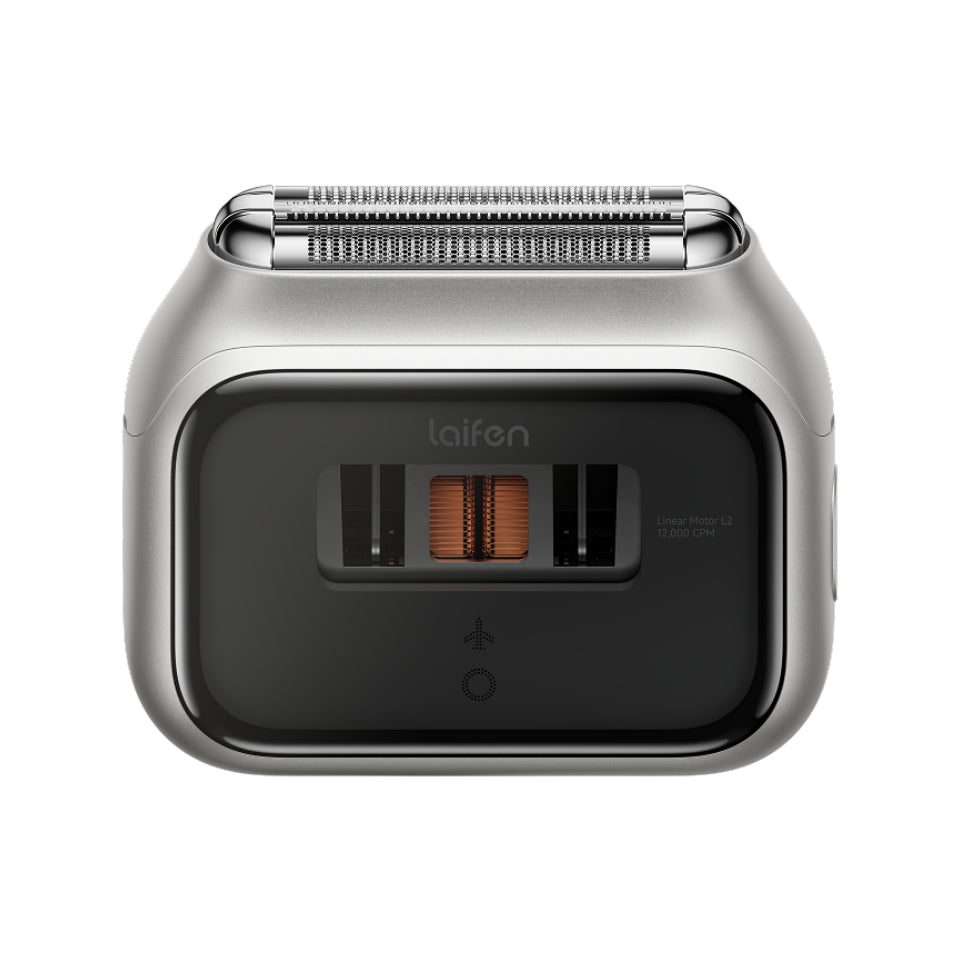
But the shaver itself determines a lot, like we mentioned Laifen T1 Pro electric shaver, which is a foil shaver but performs better than some rotary shavers even if your beard grows in different directions.
A table to compare foil and rotary electric shavers
Choosing between a foil and rotary electric shaver becomes much easier when you see the differences clearly side by side!
|
|
Foil shaver |
Rotary shaver |
|
Shaving motion |
Uses straight, back-and-forth blade movement under a thin metal foil for linear shaving strokes. |
Uses circular spinning blades that move in multiple directions to follow facial contours. |
|
Beard type |
Works best on short, straight, and fine stubble with daily shaving routines. |
Handles thick, coarse, or multi-directional beard growth more effectively with flexible cutting angles. |
|
Closeness of shave |
Provides a slightly closer, more precise shave with sharper lines. |
Offers a close shave, but prioritizes flexibility over ultra-tight skin-level precision. |
|
Skin comfort |
Feels predictable; often preferred for consistent pressure and careful strokes. |
Glides smoothly over curves; may require circular motion that varies by technique. |
|
Maintenance |
Foil and cutters need periodic replacement; cleaning is straightforward and structured. |
Rotary heads require detailed cleaning between circular blades and occasional head replacement. |
FAQs
1. Which shaver gives a closer shave, foil or rotary?
Foil shavers generally provide a slightly closer shave due to their straight cutting motion and thinner protective layer between blade and skin.
2. Are rotary shavers better for thick beards?
Rotary shavers often handle thick or multi-directional hair better because their circular heads adapt easily to uneven growth patterns.
3. Is a foil shaver better for sensitive skin?
Not always. Skin comfort depends more on blade quality and materials than type. However, foil shavers offer more straight strokes.
4. Which is better for daily shaving?
Foil shavers are commonly preferred for daily shaving since they perform best on short, straight stubble.
5. Do rotary shavers work well on the neck area?
Yes. Rotary heads flex and pivot, thus they’re effective for curved areas like the neck and jawline.
6. Which shaver is easier to clean?
Foil shavers usually have simpler cleaning structures, while rotary heads require more detailed cleaning between circular blades.
7. Can I travel with both types easily?
Yes. Both foil and rotary electric shavers are compact and travel-friendly.


