







In this article
Growing a goatee is easy. Shaping it properly? That’s where most men go wrong.
A goatee is a style choice that changes how your jawline looks and even how balanced your face feels.
Done right, it adds structure and character. Done poorly, it can look uneven or accidental.
In this guide, we'll share with you a tutorial. No barber jargon. No overcomplicated techniques.
Just straightforward advice to help shave and maintain a goatee that suits your face. Let’s walk through it properly.
Step 1. Decide your goatee shape first

Before you touch a razor, decide what kind of goatee fits your face.
-
Normal goatee: A simple patch on the chin, disconnected from the mustache.
-
Full goatee (Circle beard): Mustache connected to chin beard, forming a circle around the mouth.
-
Extended goatee: A fuller version that stretches slightly along the jawline. Great for adding width to narrow faces.
-
Van dyke: Pointed chin beard with a separate mustache.
Step 2. Define the borders before removing hair

This is the step most people skip and it’s why so many goats end up uneven. Before you remove any hair, you need to clearly define your borders.
Start by identifying the natural center of your face. Use your nose and lips as visual guides to keep everything symmetrical. The width of your goatee usually aligns roughly with the corners of your mouth, but you can adjust slightly depending on your face shape.
Next, define the lower boundary. Decide how far down your chin the goatee should extend
-
For a more subtle look, keep it tight under the lower lip.
-
For a stronger presence, extend it toward the chin tip.
Step 3. Trim down the bulk

At this stage, you’re not shaving everything off, you’re simply reducing excessive length and evening out the hair so it looks intentional rather than wild.
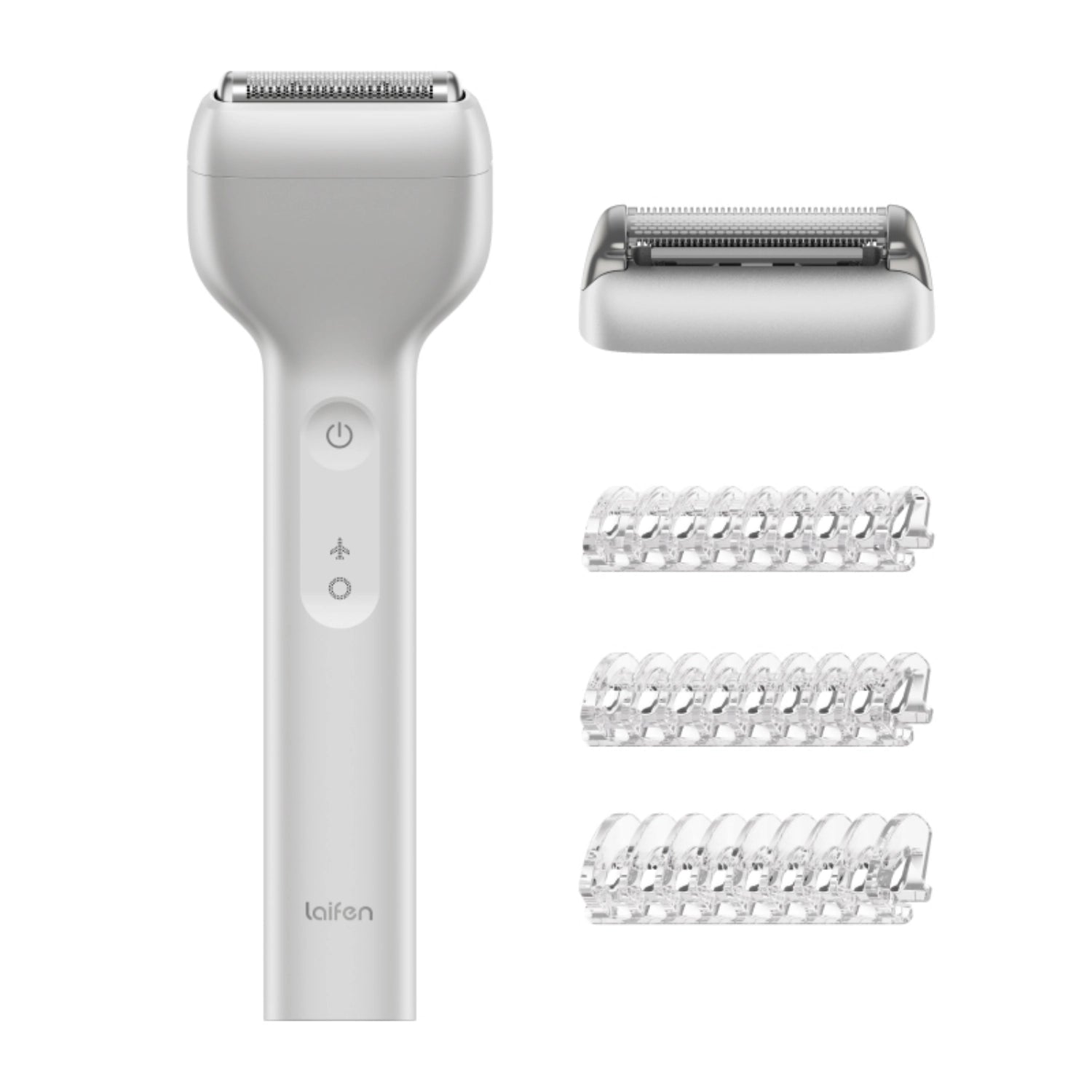
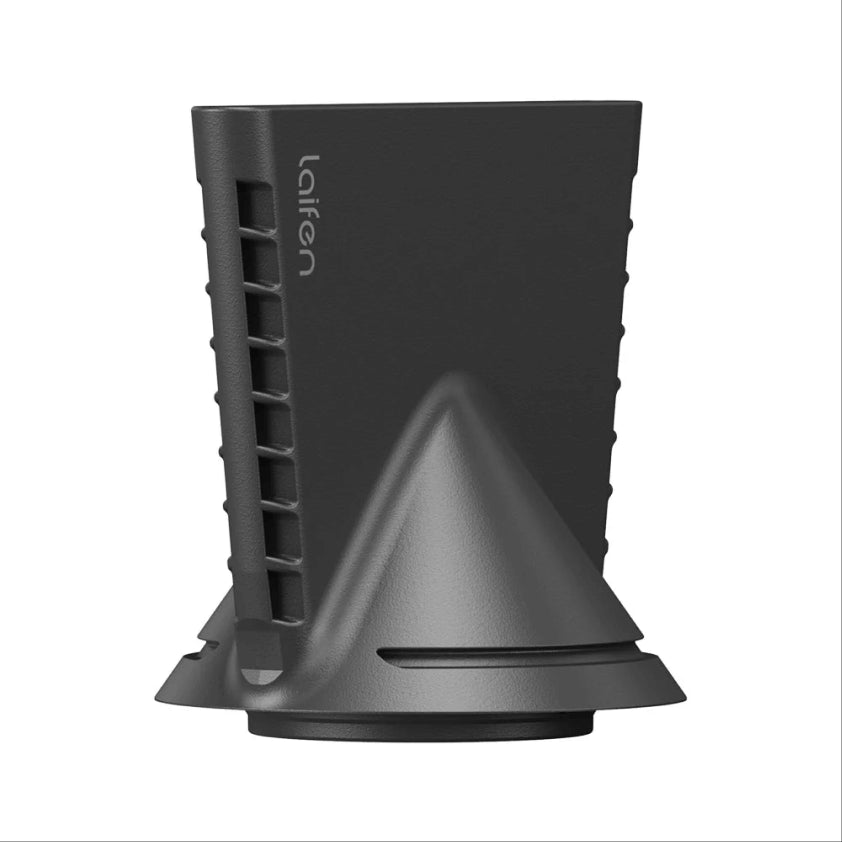
Choose a quality trimmer to work through the center of your goatee. For example, a shaver like the Laifen T1 Pro, which includes a dedicated trimmer head, allows you to approach this step with confidence. The trimmer head reduces longer hairs while protecting your skin from irritation.
Trim gradually. Cutting too much at once can leave patches that take time to regrow. Focus on bringing length down to a uniform level before you move to defining the edges.
As you trim, periodically step back and check symmetry. When bulk is managed well, you’ll notice your goatee already looks neater and more intentional.
Step 4. Clean the surrounding area

1. Remove stray hairs outside your defined borders to create strong contrast and make your goatee stand out clearly.
2. Shave below your chosen neckline to avoid shadow growth that makes the goatee look unfinished or messy.
3. Avoid pressing too hard.
Step 5. Balance the proportions
Check the width. Your goatee should align with the natural width of your mouth. If it extends too far past the corners of your lips, it can make your lower face look heavy. Too narrow, and it may appear disconnected or accidental.
Next, look at the length. A longer goatee elongates the face, which can benefit rounder face shapes. If you already have a long or narrow face, keeping the goatee slightly shorter prevents exaggerating that length.
Step 6. Maintain it
1. Clean up the cheeks and neckline regularly to keep the borders sharp. Even small regrowth can quickly make a goatee look less defined.
2. Use a trimmer to maintain consistent length through the chin and mustache area.
3. Clean your goatee several times a week to remove buildup.
4. Take a quick look from different angles in good lighting. Catching small imbalances early prevents bigger corrections later.
Goatee mistakes never to make
A goatee may look simple, but small mistakes can completely change how it frames your face. Avoid these common mistakes to keep your goatee clean, intentional, and flattering.
Too narrow
One of the most common mistakes is trimming the goatee too narrow. When the width doesn’t align with the natural corners of your mouth, it can look disconnected from your facial features.
A very thin strip on the chin often makes the lower face appear longer and weaker. Instead, keep the width proportional to your lips and jawline.
Ignoring symmetry
Even slight asymmetry becomes obvious in a goatee because it sits at the center of your face. Don’t rely on guesswork — use your nose and lips as visual guides. Trim slowly and check both sides under good lighting.
Letting the neckline grow wild
Some people focus only on the chin area and forget about the neck. Allowing hair to grow too far below your chosen boundary ruins the clean contrast that makes a goatee stand out.
Over-trimming in one session
Cutting too much while chasing symmetry can make the goatee uneven or too short. Trim and reassess after each adjustment. Hair removed cannot be put back, so patience is key.
FAQs
1. Do I need a full beard before shaving a goatee?
Yes, it’s easier to shape a goatee if you start with some facial hair growth.
2. How do I choose the right goatee shape?
Consider your face shape and jawline. Round faces benefit from slightly longer goatees, while longer faces look better with shorter styles.
3. Should I trim before shaving the sides?
Yes. Trim the bulk first to create even length. This makes defining borders and cleaning surrounding areas much more precise.
4. How do I keep my goatee symmetrical?
Use your nose and lips as center guides. Trim slowly and check both sides in good lighting before removing additional hair.
5. How often should I maintain a goatee?
Clean up edges every 2–3 days and trim overall length weekly to keep the shape sharp and balanced.
6. Can I shave a goatee with an electric shaver?
Yes. A precision trimmer attachment helps outline borders, while the main shaver cleans surrounding areas efficiently.
7. What is the biggest mistake when shaving a goatee?
Rushing the process. Over-trimming or failing to define borders first often leads to uneven proportions.


