







In this article
Noticing white flakes in your beard can be frustrating when they show up on dark jackets or sweaters. Beard dandruff signals that the skin beneath your facial hair is out of balance.
Colder air, indoor heating, harsh cleansers, and even inconsistent grooming habits can all play a role. Compared with scalp dandruff, beard flakes are harder to ignore because they sit front and center.
In this guide, you’ll learn what causes beard dandruff, how to calm it quickly, and the simple habits that help prevent it from coming back.
What does beard dandruff mean?

Beard dandruff is the visible flaking of skin beneath facial hair. At its core, it’s a skin condition not a hair problem. The skin under your beard naturally renews itself, shedding old cells and producing oil to stay balanced.
When that process becomes disrupted, the shedding becomes noticeable. Instead of invisible skin turnover, you see white or yellowish flakes trapped in your beard.
It’s often confused with simple dry skin or even scalp dandruff, but there are differences:
|
Condition |
Where it appears |
Main cause |
Common signs |
|
Beard dandruff |
Under facial hair |
Dryness, oil imbalance |
Flakes, itchiness, tight skin |
|
Dry skin |
Any skin surface |
Lack of moisture |
Small, light flakes |
|
Scalp dandruff |
On the scalp |
Oil + yeast overgrowth |
Larger flakes, irritation |
Why is it happening to you? (Main causes)
Dry climate and cold air
Cold temperatures and low humidity pull moisture from your skin. When the air is dry like during long winters or in heated indoor spaces, the skin beneath your beard loses hydration faster than it can replace it.
Without enough moisture, the surface begins to crack and shed. Those flakes you see are often the result of skin struggling to stay protected in harsh conditions.
Not cleansing properly
Your beard traps sweat, oil, food particles, and environmental debris. If you’re not washing it regularly, buildup can clog pores and irritate the skin underneath. That irritation speeds up skin cell turnover, leading to visible flakes.
Skipping proper cleansing disrupts the skin’s natural balance and makes dandruff more likely.
Overwashing with harsh products
Using regular hair shampoo or strong soaps on your beard can strip away natural oils. While it may feel “extra clean” at first, your skin quickly becomes dry and tight.
Once the protective oil barrier is removed, the skin reacts by flaking. In some cases, it may even produce excess oil to compensate.
Lack of moisturizing
Facial skin needs hydration just like the rest of your body. Without beard oil or a lightweight moisturizer, the skin under your beard can become rough and dehydrated.
Since beard hair absorbs some natural oils, the skin underneath may not receive enough nourishment. When dryness sets in, flaking is often the first visible sign.
Seborrheic dermatitis
Seborrheic dermatitis is a common inflammatory condition linked to excess oil and yeast on the skin. It can cause redness, itching, and yellowish flakes.
If your dandruff feels persistent or irritated rather than simply dry, this underlying condition could be contributing to the issue.
Inconsistent grooming habits
Neglecting the skin beneath your beard can all play a role. When dead skin cells aren’t gently exfoliated, they accumulate and become more visible.
A beard requires maintenance not just shaping the hair, but caring for the skin underneath.
Signs it’s more than just dry skin
Persistent redness

If the skin under your beard looks consistently red or inflamed, it may be more than simple dryness. Dry skin appears pale and flaky, but redness suggests irritation or an underlying inflammatory condition. You might notice the skin feels warm or slightly swollen when touched.
In some cases, the redness may spread beyond the beard area toward the cheeks or neck. When flakes are accompanied by visible inflammation that doesn’t calm down with basic moisturizing, it often signals seborrheic dermatitis or another skin imbalance rather than ordinary dryness.
Intense or ongoing itching
Mild itchiness is common with dry skin during colder months. However, if the urge to scratch becomes constant or distracting, that’s a different story.
Persistent itching may indicate irritation triggered by yeast overgrowth, product sensitivity, or inflammation beneath the surface.
You might find that scratching provides only temporary relief before the discomfort returns.
Greasy or yellowish flakes

Dry skin typically produces small, light, powdery flakes. If the flakes in your beard appear larger, slightly oily, or yellowish in color, the issue may be linked to excess sebum rather than a lack of moisture.
This type of flaking often sticks to beard hairs and feels heavier. The skin underneath may look shiny instead of dry.
When oil production increases and mixes with dead skin cells, it creates thicker scales rather than fine dust-like flakes.
Flaking
If the flaking extends to your eyebrows, sides of the nose, ears, or scalp, it’s unlikely to be isolated dry skin.
Widespread flaking across multiple oil-producing areas of the face often indicates a systemic skin condition rather than a localized moisture issue.
You may notice similar redness or irritation in these areas as well. When dandruff appears in several regions at once, it suggests that your skin’s overall balance is disrupted.
How to get rid of beard dandruff? (Step-by-step routine)
Follow these five detailed steps consistently, and you’ll start seeing real change.
Step 1: Reset the skin
Replace harsh shampoos or bar soaps with a beard-specific cleanser. When used on your beard, they can strip away protective oils and worsen dryness.
Massage the cleanser deep into the roots using your fingertips, not just across the surface. Focus on the skin beneath the hair where buildup collects. Pat dry instead of rubbing aggressively.
Step 2: Remove hidden buildup
Flakes often cling to beard hairs because dead skin cells aren’t being lifted away properly. Once or twice a week, use a soft beard brush or a mild facial exfoliator to loosen buildup beneath the beard.
Step 3: Rebuild moisture
After cleansing, apply beard oil while your skin is still slightly damp. This helps seal in hydration and prevents tightness that leads to flaking. Warm a few drops between your palms and massage directly into the skin before smoothing it through the hair.
Daily moisturizing also softens beard hair, reducing friction against the skin. When the skin barrier is nourished, irritation decreases and overall comfort improves significantly.
Step 4: Keep the beard shaped
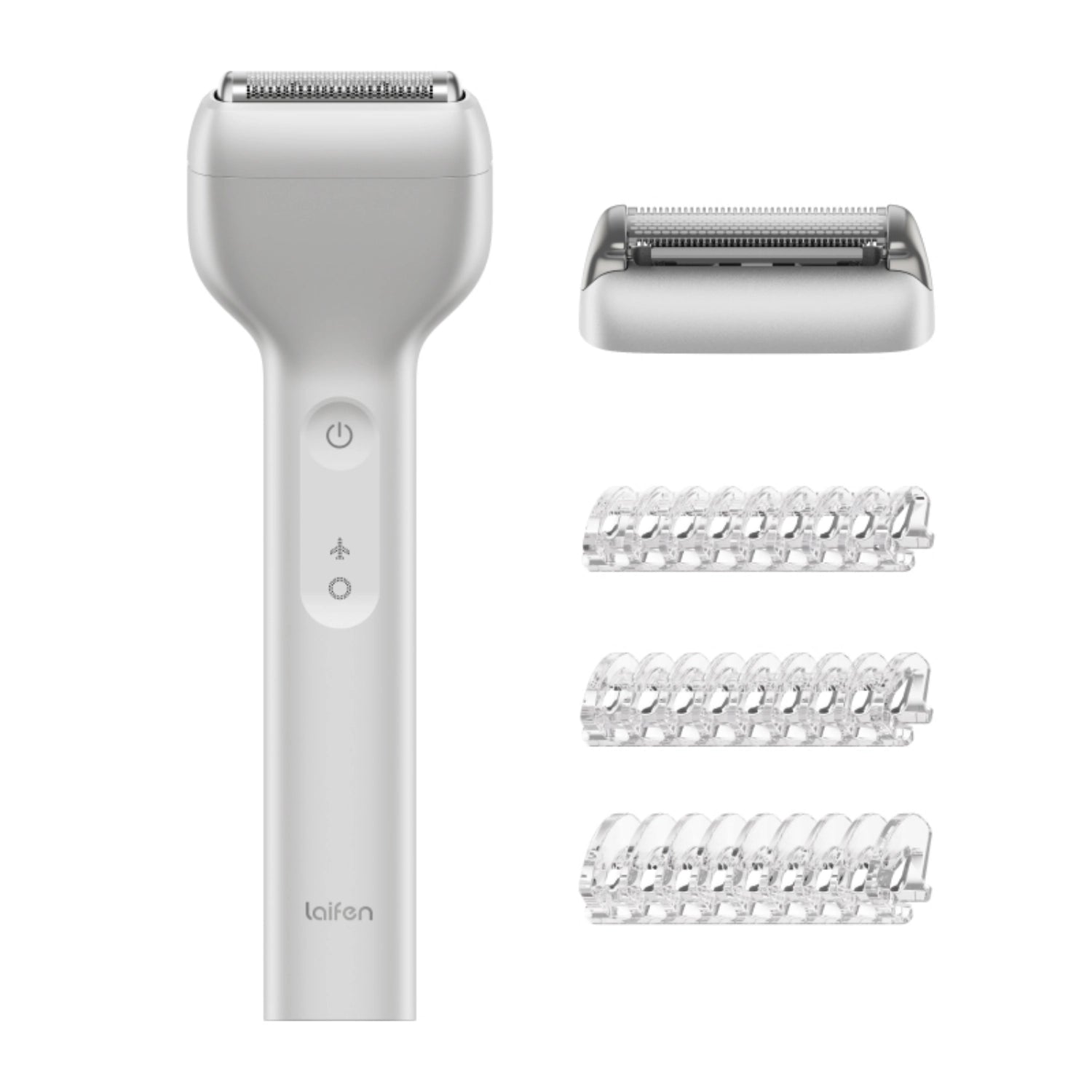
If dandruff is severe, consider cleaning up bulk or reshaping with a precise tool like the Laifen T1 Pro electric shaver. Its smooth cutting action (up to 12,000 cutting per minute) helps reduce tugging, which minimizes additional irritation.
Maintaining clean edges also prevents uneven buildup along the neckline and cheeks. A well-managed beard supports healthier skin underneath by preventing excess accumulation and friction.
Step 5: Support skin health
External care works best when supported by smart daily habits. Indoor heating during colder months can dry out the air and your skin. Using a humidifier helps maintain balanced moisture levels.
Pay attention to how your skin reacts to stress and sleep for these factors influence oil production and inflammation.
Beard dandruff often reflects overall skin balance. When you support your body’s natural equilibrium, flakes become far less likely to return.
What not to do?
When beard dandruff shows up, reacting the wrong way can quietly make it worse. One common mistake is using regular scalp shampoo or body soap on your beard. For example, a strong anti-dandruff shampoo designed for your head may feel like a quick solution, but it can strip the delicate skin on your face, leaving it drier and more irritated than before.
Another habit to avoid is scratching or picking at flakes. It might seem harmless while watching TV or working at your desk, but constant scratching can cause tiny breaks in the skin. That damage increases redness and may even lead to infection.
Overwashing is equally problematic. Washing your beard twice a day with hot water during colder months, removes natural protective oils. On the flip side, neglecting trimming can trap dead skin and oil buildup. Letting your beard grow unchecked without maintenance creates a dense environment where flakes collect more easily.
Lastly, don’t ignore persistent symptoms. If redness spreads beyond your beard or flakes turn greasy and thick, it’s time to rethink your routine instead of masking the issue.
Best products & tools to help
Choosing the right beard care essentials can transform how you manage beard dandruff. Below are five standout options that help support a balanced beard care routine.
1. Beard wash

Why choose it: Cleans beard deeply without stripping essential skin oils.
A beard-specific cleanser is formulated for the face’s natural pH and oil balance to prevent dryness that leads to flaking.
Using a beard wash regularly sets the stage for the next steps in your routine. Lather it into your beard, focusing on the roots, then rinse with lukewarm water. This resets the skin without triggering irritation or tightness.
For best results, follow up with a hydrating beard oil or balm to lock in moisture and maintain softness.
Pros:
-
Removes buildup without over-drying the skin beneath
-
Supports flake-free beard growth daily
-
Facial skin’s natural balance
Cons:
-
May foam less than typical shampoos
-
Fragrance sensitivity
2. Electric Shaver

Why choose it: Precision trimming with minimal tugging and skin irritation.
The Laifen T1 Pro electric shaver is designed for modern grooming and ideal for managing beard dandruff and reshaping facial hair with confidence.
The T1 Pro glides with ease, reducing irritation and flare-ups. This makes it helpful when you need to clean up necklines or remove heavily flaky patches without aggravating the skin underneath.
Pros:
-
Smooth trim minimizes irritating pull on sensitive skin
-
Precise edge shaping for defined beard lines
-
Easy handling for consistent grooming results
Cons:
-
Requires charging to maintain power
-
Advanced features may need adjustment for beginners
3. Hydrating beard oil
Why choose it: Deeply moisturizes skin and softens beard hair effectively.
Beard oil serves as a hydration bridge between the skin’s surface and your facial hair. When applied after cleansing, it penetrates down to the skin where dryness and itch often begin.
Massage a few drops into the root area and spread upward through the beard to stimulate circulation and evenly distribute nourishment.
Pros:
-
Hydrates skin beneath facial hair for flake reduction
-
Softens beard for easier grooming and styling
-
Lightweight formulas absorb without greasiness
Cons:
-
Some scents may not suit everyone
-
Needs daily use for visible benefits
4. Nourishing beard balm
Why choose it: Combines hydration with light control and styling benefits.
Beard balm adds a layer of conditioning while helping tame stray hairs and shape your beard. It combines natural butters and oils to lock in moisture throughout the day, which supports ongoing skin balance and reduces dryness that causes dandruff.
Because it offers light hold, balm is useful for thicker or coarser beards that tend to feel unruly or trap debris. Warm a small amount between your fingertips and work it through from roots to ends, paying attention to areas that feel particularly dry.
Pros:
-
Locks in moisture for longer-lasting hydration
-
Helps control and shape beard hairs
-
Can reduce flake buildup when used consistently
Cons:
-
Slightly heavier than oil alone
-
Can feel waxy if over-applied
5. Soft beard brush
Why choose it: Distributes oils and lifts dead skin without damage.
A soft-bristle brush or a wide-tooth comb is essential for improving beard health beyond cleansing. Brushing stimulates circulation, helps lift dead skin cells, and evenly distributes both natural and applied oils throughout the beard.
Use low-force strokes, starting from the roots and moving outward, a few times each day. Brushing also trains hairs to lie neatly, reducing tangled hairs that trap flakes.
Pros:
-
Encourages even oil distribution through beard
-
Removes trapped debris and dead skin cells
-
Helps styling and reduces flakes visibility
Cons:
-
Too firm bristles can irritate sensitive skin
-
Needs regular cleaning to prevent buildup
When to see a professional?
Most cases of beard dandruff improve with consistent care, but sometimes flakes signal something deeper. If redness becomes persistent or feels painful rather than mildly irritated, it’s time to pay closer attention.
Thick, greasy scales combined with intense itching may indicate seborrheic dermatitis, which often requires medicated treatment rather than over-the-counter products.
You should also consider professional advice if your skin cracks or develops yellowish crusts. These symptoms suggest inflammation that basic grooming adjustments won’t solve. Another sign is when dandruff keeps returning despite improving your routine yet the problem doesn’t improve after several weeks.
Final takeaway
Beard dandruff isn’t something you have to simply live with. In most cases, it’s a signal not a flaw. Your skin is responding to dryness, imbalance, buildup, or irritation. Once you understand that the real issue starts beneath the beard, your approach changes.
Instead of brushing flakes away and hoping for the best, you begin supporting the skin with proper cleansing and consistent care.
Small adjustments make a noticeable difference. Switching to gentler products, moisturizing daily, improving airflow through regular trimming, and paying attention to environmental factors can gradually restore balance.
FAQs
1. Is beard dandruff the same as regular dandruff?
Not exactly. While both involve flaking skin, beard dandruff affects the facial skin beneath your beard, which is thinner and more sensitive than the scalp.
2. Can cold weather make beard dandruff worse?
Yes. Dry, cold air and indoor heating reduce moisture in the skin. When hydration drops, the skin beneath your beard becomes tight and flaky.
3. How often should I wash my beard to prevent flakes?
Washing 3–4 times per week with a mild beard cleanser is usually enough. Overwashing can strip natural oils, while underwashing allows buildup.
4. Does trimming help reduce beard dandruff?
Yes. Regular trimming improves airflow and reduces trapped oil and dead skin.
5. Can beard oil really stop flaking?
Beard oil helps restore moisture and balance oil production. While it may not cure medical conditions, it significantly reduces dryness-related flakes.
6. Why do I still have flakes after moisturizing?
If flakes persist despite hydration, the cause may be seborrheic dermatitis or product sensitivity. In this case, adjusting products or seeking professional advice may help.
7. Should I shave completely to fix beard dandruff?
Not always. Shaving can temporarily reduce visible flakes, but if the underlying skin imbalance isn’t addressed, the problem may return.
8. How long does it take to see improvement?
With consistent care, many people notice improvement within one to three weeks.


